Every year when winter arrives, all children in Jerusalem (and adults too) hope that snow will fall.
Jerusalem is already the city of gold, but covered with a layer of white flaky snow- she shows her heavenly beauty.
It’s a tradition to make photographs of yourself in the snow, and snowmen smile to happy children.
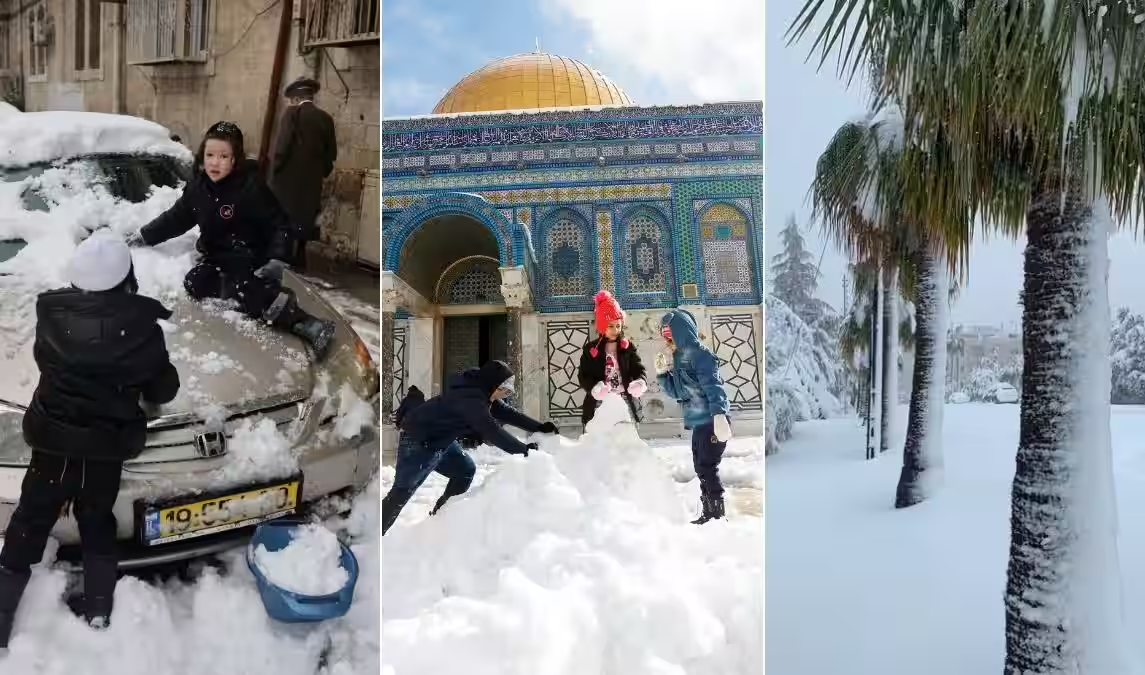
When there is snow, a Jerusalemite has to take some precautions, though.
Don’t drive your car- cars uncontrollably slip and slide and smack into other cars.
Go quickly to the supermarkt and stock up for a snowblizzard: milk, bread, eggs, coffee and tea, sahlab (later more on this) and schnitzels for the kids.
That is, if you are lucky.
If snow starts to fall, be prepared!
There is a big chance the supermarket is closed, or will close soon- try the makolet, the grocery store in your neighbourhood.
If you’re at work, or in town- promptly go home as long as you still can, because public transport will shut down. Children will come home from school or kindergarten- and you have to be there.
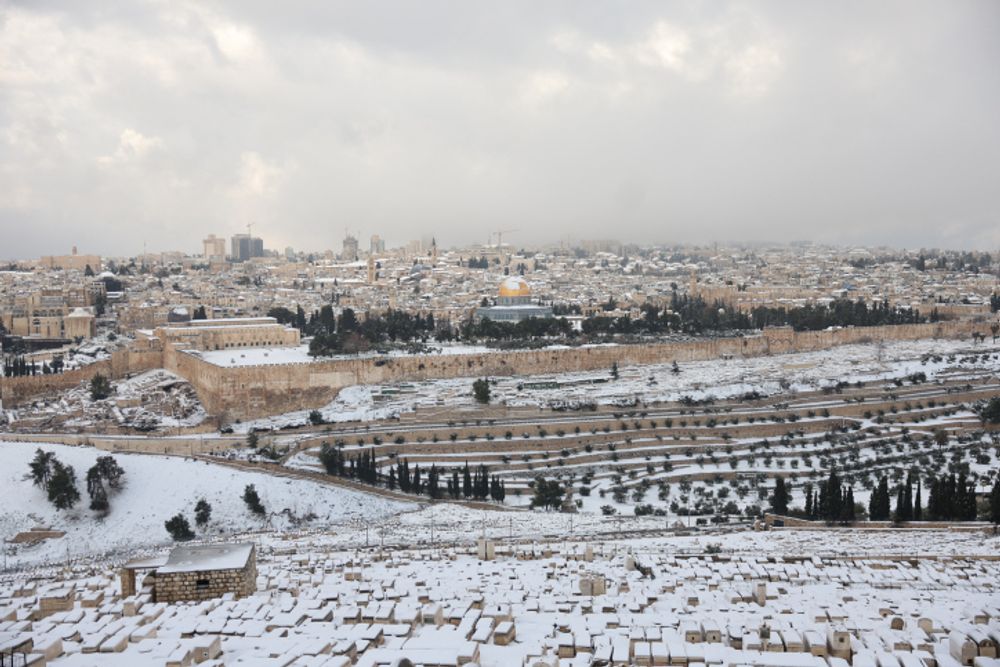
If you wake up in the morning, and snow covers the earth: you probably cannot get to work, so you stay home. With the kids.
Go out then and have fun, and make lots of pictures.
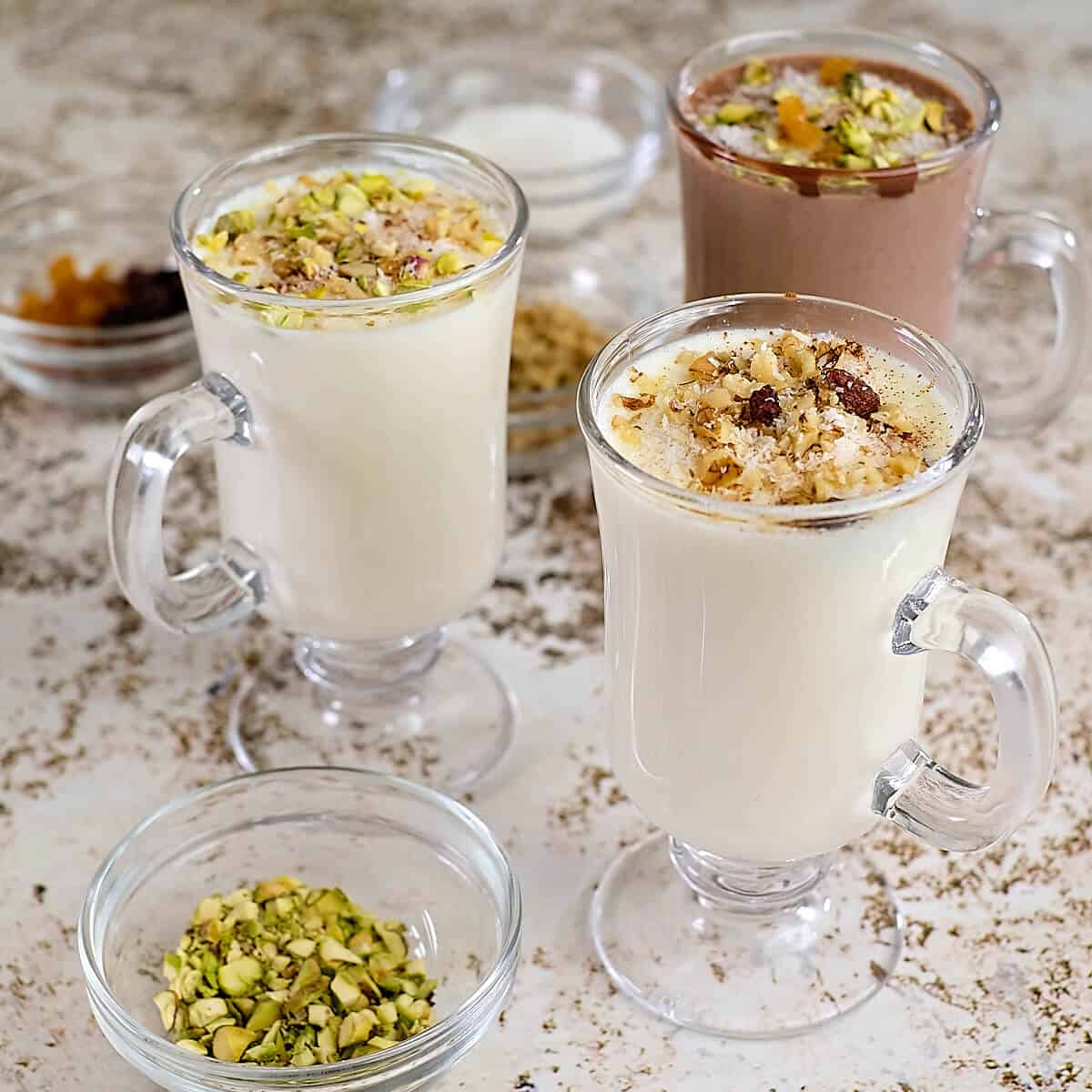
Turn on the telly after your walk in the snow, and prepare a warm drink, like sahlab.
Sahlab is the Middle Eastern Winterdrink: hot milk boiled with sahlab powder (or an instant version), sweetened and topped with coconut, nuts and cinnamon.
Sahlab is the ground root of a kind of orchid giving a floral taste to the drink, and thickening it up to a kind of still liquid pudding. Simply delicious.
There is also a ski resort in Israel: on Mt. Hermon!
But it’s not winter yet in Jerusalem. I don’t mean that winter starts at December 21, but I mean weatherwise.
With the High Holidays at the end of Summer/ beginning of Autumn, starting from the Feast of Tabernacles, we pray for rain.
Until now it has hardly rained in the country.
Rain and cold is not my favourite- but we need rain, for drinking water, for the plants and fields to grow food.
An excuse to make and enjoy hot sahlab is not necessary, but cold and rainy weather helps.
If we’ll have snow this year? Who knows. I am sure that plenty of children pray for snow!


